Everest Hikes
Plan your adventure holidays in the Himalayas

Discover Nepal, Bhutan, and Tibet with Everest Hikes

Small Groups, Big Mountains, Real Experiences

Welcome to Everest Hikes – a trusted local tour operator in Nepal, where adventure meets passion and guest satisfaction comes first.

We are a dedicated team of experienced professionals creating unforgettable trekking and climbing journeys across the Himalayas. Founded with a deep love for nature, culture, and adventure, our mission is to share the true beauty of Nepal with travelers from around the world.

Everest Hikes is a fully licensed and government-approved company, authorized by the Nepal Tourism Board (NTB) and a proud member of TAAN. We operate with complete professionalism, ensuring every trip is safe, reliable, and well-organized.

We believe in responsible, eco-friendly travel — respecting local communities while preserving Nepal’s natural and cultural heritage. With a focus on warm hospitality and personalized service, we design flexible itineraries tailored to match each traveler’s interests, making every journey meaningful and memorable.
Read More

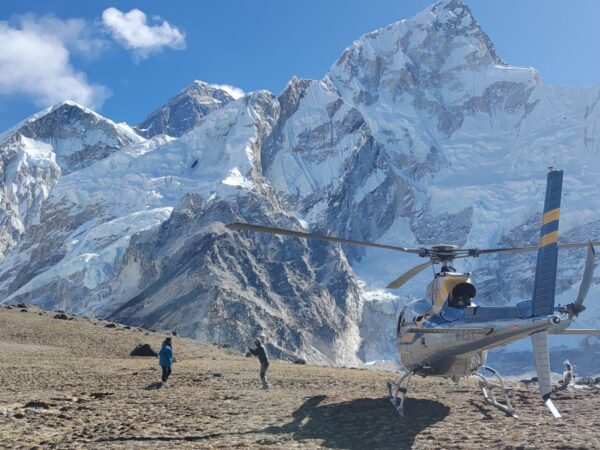
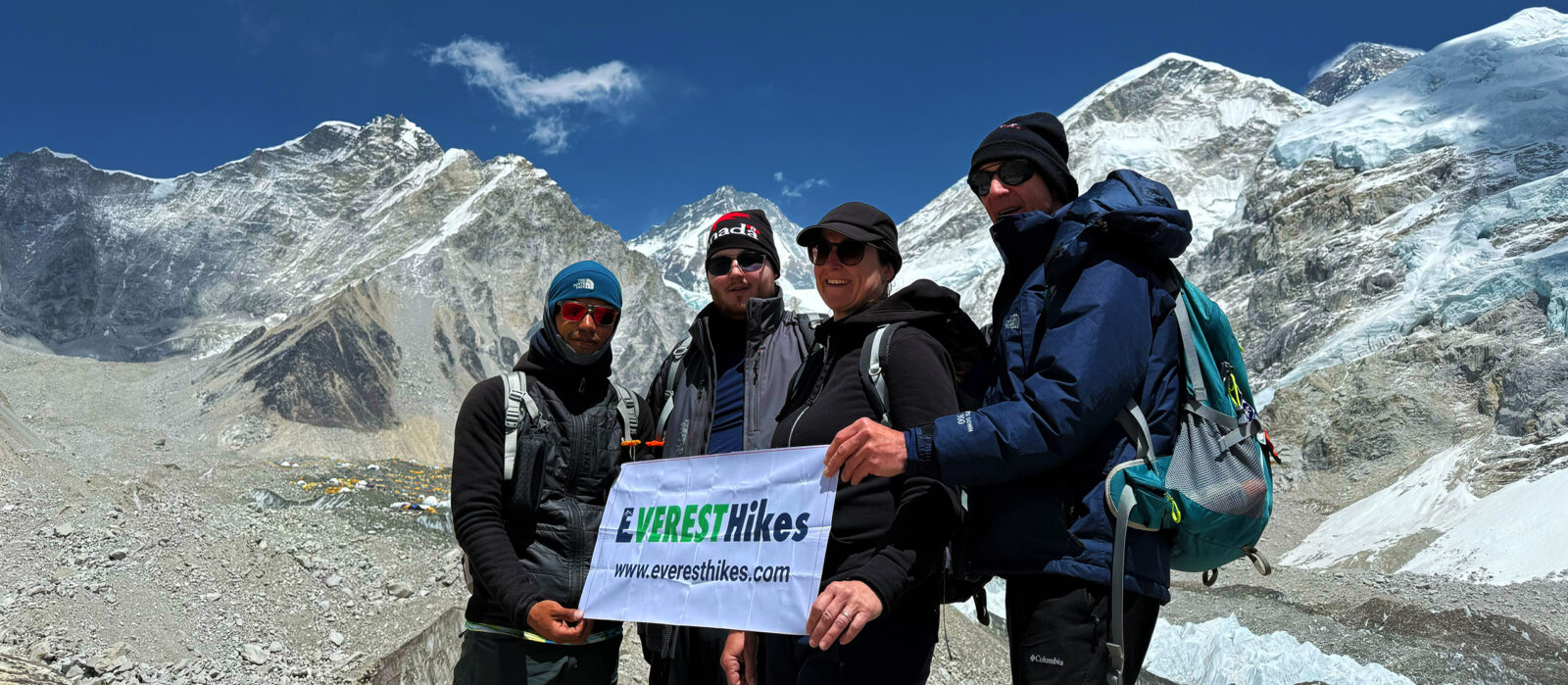
Everest View from Kalapathar
Adventure Styles

Explore by Activity

Choose your adventure type and discover amazing trips across Nepal.

Top Rated Peaks By Travellers

Best Trekking Peaks in Nepal

Discover the best trekking peaks in Nepal, highly recommended by climbers and adventure lovers from around the world.
kyajo ri peak climbing

Kyajo Ri Peak Climbing – 17 Days

Duration 17 Day(s) Trip Grade challenging
US $3999
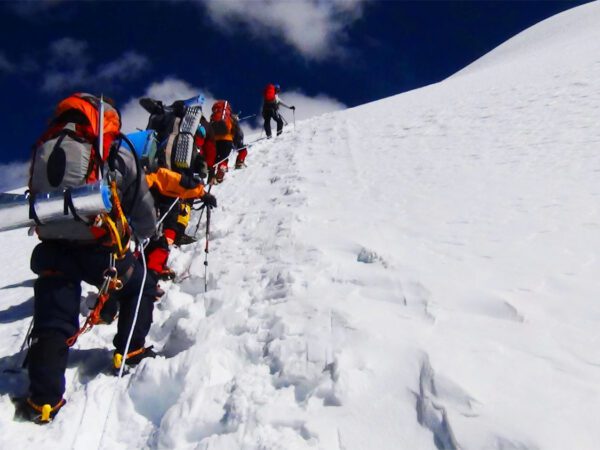
Climbers are on the way to Island Peak summit

Island Peak Climbing – 16 Days

Duration 16 Day(s) Trip Grade strenuous
US $2300
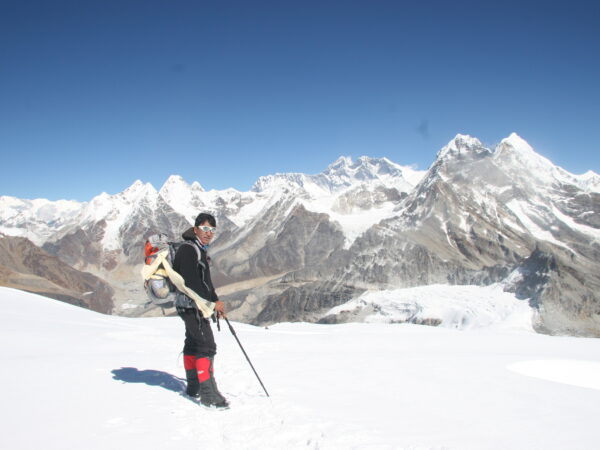
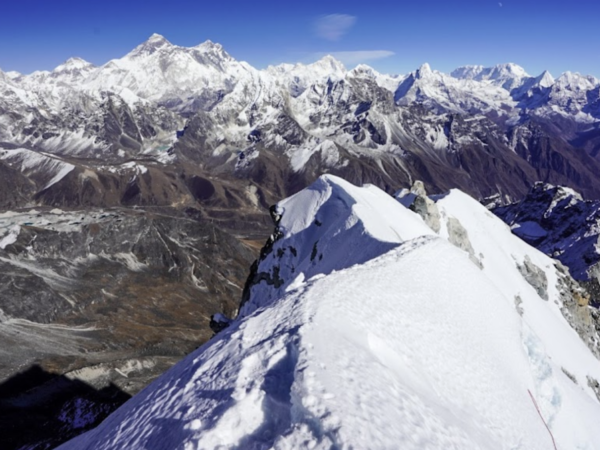
View from Mera Peak High Camp

Mera Peak Climbing – 18 Days

Duration 18 Day(s) Trip Grade strenuous
US $2450
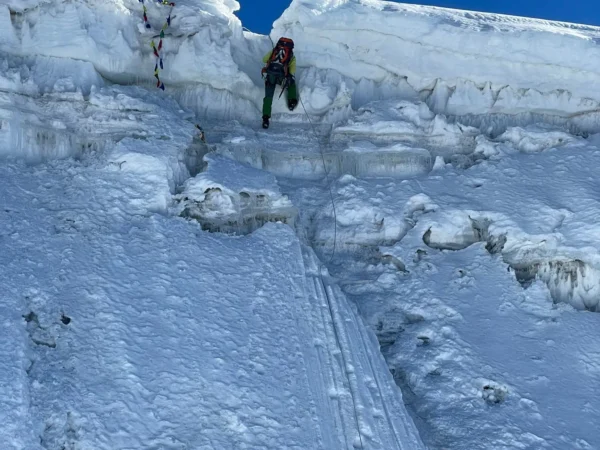
Climber ascending an icy section near the summit of Lobuche Peak in the Everest region, Nepal

Lobuche Peak Climbing – 15 Days

Duration 15 Day(s) Trip Grade moderate
US $1950

Why Choose Everest Hikes?

As an experienced entrepreneurs rooted in our native land, we warmly welcome travelers with heartfelt hospitality—while also hoping to build a sustainable livelihood through the work we love.
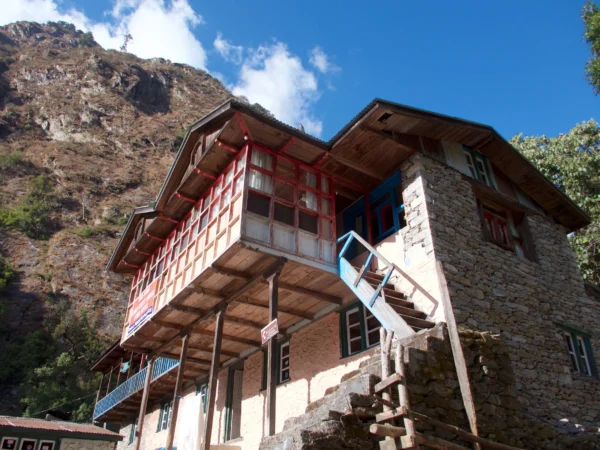
Local Guides and Sherpas

We are a local tour operator based in Kathmandu, Nepal run by local expert guides and porters.

Safety Prioritized Service

Everest Hikes focus on the high standard safety prioritized service. Our expert guide helps you to make the trip successful.

Unbeatable Trip Value

Everest Hikes curate best planned itinerary including best services guarranted in an affordable price.

Eco-Friendly & Sustainable Travel

Travel responsibly, leave only footprints, and embrace eco-friendly adventures that protect nature and uplift local communities.

Personalized & Flexible Itineraries

Tailored adventures designed around your pace, preferences, and passions.

Small Groups for a Better Experience

Experience more with intimate, small-group adventures designed for authentic connections and personalized service.
What's new?

Travel Guides & Blogs

How to Prepare Your Body for the Annapurna Circuit Trek

How to Prepare Your Body for the Annapurna Circuit Trek 2026: A Complete Guide

When I first started guiding people on the Annapurna Circuit, […]
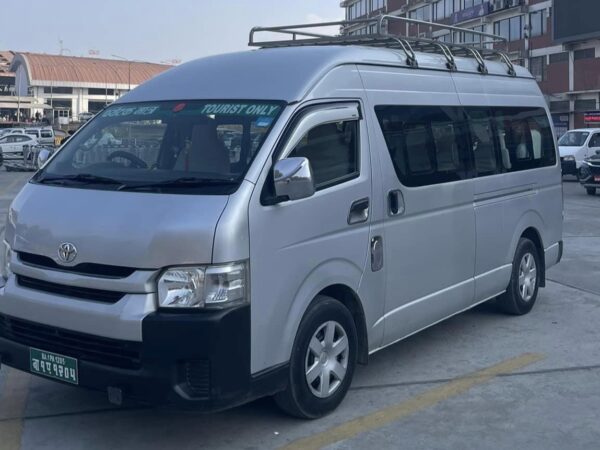
kathmandu to ramechhap transfer by shared hiace

Kathmandu to Ramechhap Transportation Guide 2026: Bus, Car, Jeep & Van Options

Ramechhap, home to Manthali Airport, has emerged as a crucial […]
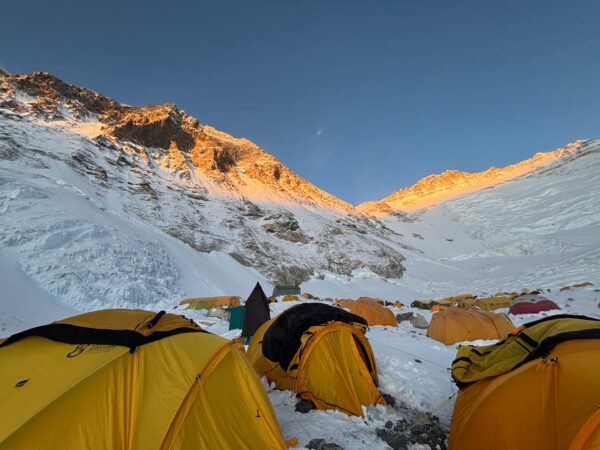
Mt Everest Camp I

Record 274 Climbers Reach Mount Everest Summit in Single Day from Nepal

KATHMANDU — A record-breaking 274 climbers reached the summit of […]

Trekkers posing at Larke Pass (5,106m) during the Manaslu Trek in Nepal, surrounded by snowy mountains and colorful prayer flags.

Manaslu Circuit Trek vs Annapurna Circuit Trek: Which Trek Should You Choose?

When it comes to trekking in Nepal, two names always […]

View All Blogs

Nepal Travel FAQs: Permits, Altitude, Safety & More

General Travel & Booking

1. How do I book an adventure tour in Nepal with your company?

Booking your adventure with us is simple and secure. You can reserve your trip directly via email or WhatsApp or online. To confirm your booking, we require a minimum 10% advance deposit, with the remaining balance payable upon your arrival in Kathmandu, before the tour departs.

2. Do I need a visa to travel to Nepal?

Yes, a visa is mandatory for most travelers visiting Nepal. You can either apply for an e-Visa online or obtain a visa on arrival at Tribhuvan International Airport. However, Indian nationals do not require a visa to enter Nepal.

3. Can I travel solo in Nepal, or do I need to join a group?

Absolutely! You can travel solo or join a group—we offer both options to suit your preferences. Whether you’re an independent traveler or looking for a shared adventure, we’ve got you covered.

4. Is Nepal safe for tourists?

Yes, Nepal is generally safe for tourists. With friendly locals, stunning landscapes, and experienced guides, it’s a welcoming destination for travelers from around the globe.

Adventure Activities in Nepal

1. What are the best treks in Nepal for beginners and experienced trekkers?

Nepal offers treks for all skill levels:

2. What is honey hunting, and where can I experience it in Nepal?

Honey hunting is a traditional and thrilling practice of harvesting wild honey from cliffs. It’s especially popular in the Lamjung District, but also practiced in Gorkha, Dolakha, Jajarkot, and Khotang. This unique cultural experience is usually available during specific seasons, especially in spring and autumn.

3. Can I climb a peak in Nepal without mountaineering experience?

Yes, you can climb certain trekking peaks without prior mountaineering experience. Popular options include:

However, peaks like Ama Dablam, Chulu East/West, or any mountain over 7000 meters require advanced skills and mountaineering experience.

4. Do you offer other adventure activities like rafting, paragliding, or jungle safaris?

Yes! At Everest Hikes, we provide a full range of adventure experiences, including:

  • White-water Rafting
  • Paragliding
  • Bungee Jumping
  • Jungle Safaris in Chitwan and Bardia
  • Zip Flying and more.
    Perfect for thrill-seekers and nature lovers alike!

Permits & Regulations (Nepal-specific)

1. What permits do I need for trekking in Manaslu, Tsum Valley, and Annapurna regions?

  • Manaslu & Tsum Valley:
    • Manaslu Restricted Area Permit
    • Annapurna Conservation Area Permit (ACAP)
    • Manaslu Conservation Area Permit (MCAP)
  • Annapurna Region:
    • ACAP only (Some areas may require additional local entry fees)

2. Can I trek in restricted areas without a guide in Nepal?

No, trekking in restricted areas like Manaslu, Tsum Valley, Upper Mustang, or Dolpo requires you to be accompanied by a licensed guide and registered trekking agency. This is mandatory by Nepalese law.

3. How much do trekking permits cost in Nepal?

Permit costs vary based on the region. Here’s a general idea:

  • Restricted Areas: $70 to $100+ per week (depends on the season and location)
  • Conservation Areas: $20–30
  • National Parks: $30+
  • Local Government Fees: $10–20 in some regions

Please contact us for the most current pricing based on your chosen route.

Weather & Best Time to Visit Nepal

1. What is the best time to trek in Nepal?

The ideal trekking seasons in Nepal are:

  • Spring (March to May): Blooming rhododendrons and clear views
  • Autumn (September to November): Stable weather and excellent visibility

Some regions like Upper Mustang and Upper Dolpo are best visited during the summer (June to August) due to their location in the rain shadow of the Himalayas.

2. Can I visit Nepal during the monsoon season?

Yes, you can visit Nepal during the monsoon season (June to August). While it’s wetter, the countryside is lush and vibrant. Short treks like Ghorepani Poon Hill or Mardi Himal still offer breathtaking scenery, especially after the rains clear the skies.

3. What’s the weather like in the Himalayas?

The Himalayan weather is unpredictable and can change rapidly. While the trekking seasons offer relatively stable weather, always be prepared for sudden temperature drops, snowfall, or rainfall—especially at higher elevations.

Transportation & Access

1. Do you provide transportation to Pokhara or trekking trailheads?

Yes, we provide full transportation services to Pokhara, Chitwan, and all major trekking trailheads in Nepal. Options include:

  • Tourist Buses
  • Private Jeeps, Vans, or Cars
  • Domestic Flights (where available)

Whether you’re starting the Annapurna Circuit, Mardi Himal, or Ghorepani Poon Hill Trek, we ensure smooth and comfortable transfers.

2. Are domestic flights reliable in Nepal?

Domestic flights in Nepal are generally reliable, especially on clear weather days. However, due to the mountainous terrain, weather conditions can cause delays or cancellations, particularly for flights to:

We recommend having at least 1–2 buffer days in your itinerary if you’re flying to or from remote trekking regions.

Accommodation & Food

1. What kind of accommodation is available on treks in Nepal?

Most trekking routes in Nepal offer teahouse accommodation, which are locally run lodges that provide basic lodging and meals. Here’s what to expect:

  • Standard Teahouses: Twin-sharing rooms with simple beds and shared bathrooms.
  • Upgraded Lodges: In popular routes like Everest and Annapurna, you’ll find teahouses with attached bathrooms, heated dining halls, and even electric blankets in some cases.
  • Camping: In remote areas like Upper Dolpo or Dhaulagiri, camping treks are the only option, and we provide all gear and support staff.

We’ll help you choose the best available accommodation based on your comfort and budget.

2. What type of food is available during the trek? Is it hygienic?

Yes, the food served at teahouses is generally clean, fresh, and hygienic. Common items on the menu include:

  • Dal Bhat (rice, lentils, vegetables – all-you-can-eat!)
  • Noodles, Pasta, Momos (dumplings), Fried Rice
  • Pancakes, Porridge, Toast, Eggs
  • Tea, Coffee, Hot Chocolate, Soft Drinks

Vegetarian options are widely available and recommended for better digestion at altitude. We advise avoiding meat above certain elevations, as refrigeration is limited.

3. Do teahouses provide hot showers and Wi-Fi?

Yes, most teahouses on popular trekking routes offer:

  • Hot Showers: Usually gas or solar-heated, and available for an extra fee (NPR 300–700)
  • Wi-Fi/Internet Access: Available in many places but may be slow or unreliable. Some areas offer Everest Link or AirLink cards for better connectivity.

In remote regions like Manaslu, Dolpo, or Kanchenjunga, such amenities may be limited or unavailable.

Health & Safety

1. Do I need to worry about altitude sickness in Nepal?

Yes, altitude sickness (Acute Mountain Sickness) can affect anyone trekking above 2,500 meters, especially if proper acclimatization is not followed. To stay safe:

  • Ascend gradually and follow acclimatization days in your itinerary.
  • Stay hydrated, eat well, and avoid alcohol.
  • Our guides monitor your health and will act promptly in case of symptoms.

We also carry a first aid kit and can arrange oxygen or emergency evacuation if needed.

https://www.everesthikes.com/altitude-sickness-precaution-symptoms-and-prevention-you-need-to-know

2. Is travel insurance mandatory for trekking in Nepal?

Yes, travel insurance is mandatory for most trekking regions, especially restricted and high-altitude areas like:

  • Everest Base Camp
  • Manaslu Circuit
  • Annapurna Circuit
  • Upper Mustang, Dolpo, and Kanchenjunga

Your insurance should cover:

  • High-altitude trekking (up to 6,000m)
  • Emergency helicopter evacuation
  • Medical expenses and trip cancellation

We recommend carrying a digital and printed copy of your insurance details.

https://www.everesthikes.com/essential-guide-to-choosing-travel-insurance-for-high-altitude-climbing-in-nepal

3. Are your guides trained in first aid and emergencies?

Absolutely! All our guides are:

  • Licensed by the Nepal Government
  • Trained in First Aid and Altitude Sickness Response
  • Experienced in emergency situations, including helicopter rescue coordination.

Your safety is our top priority at every stage of the trek.

Connectivity & Tech in Nepal

1. Is mobile signal available on trekking routes in Nepal?

Yes, most trekking regions have mobile network coverage, though it can be patchy at high altitudes or in remote areas. Networks like NTC and Ncell offer better coverage in:

  • Everest and Annapurna Regions
  • Langtang Valley
  • Manaslu (limited)

We recommend getting a Nepali SIM card in Kathmandu with a data package before the trek.

2. Can I use a drone in Nepal? Do I need a permit?

Yes, you can use a drone, but only with official permission. To fly a drone legally in Nepal, you must:

  • Get approval from the Civil Aviation Authority of Nepal (CAAN)
  • Seek additional clearance in national parks or restricted zones
  • Follow all local and legal guidelines

Unauthorized drone use can result in confiscation or fines. Read More

3. Can I charge my devices on the trek?

Yes, you can charge devices like phones, cameras, or power banks at teahouses for a small fee:

  • Lower regions: Free or NPR 100–200 per device
  • Higher altitudes: NPR 300–500 per charge

We recommend carrying a portable power bank or solar charger, especially for longer or remote treks.
We are associated with

Recommended on

Get in Touch

Call us (whatsapp/viber) +977 9818008417