Why Trek in the Everest Region?
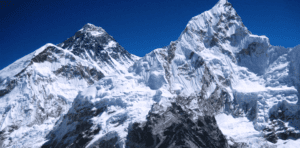
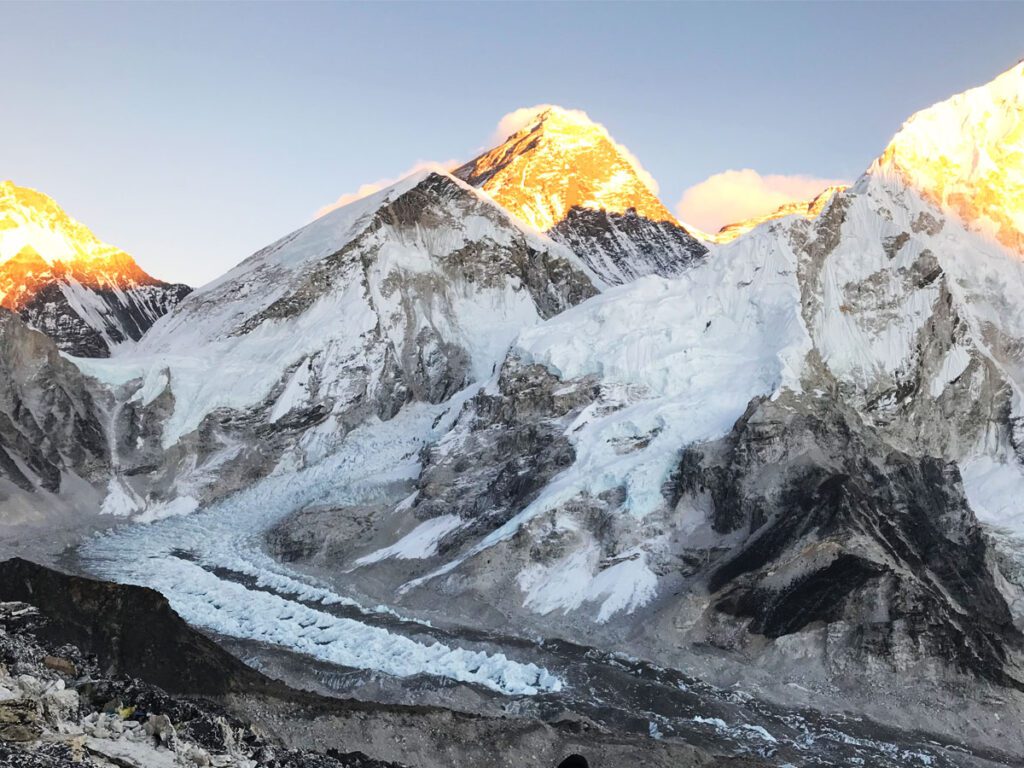
Standing at the foot of the world’s highest mountain is a dream shared by adventurers across the globe. The Everest region, locally known as the Khumbu, offers more than just proximity to Mount Everest (8,848m). This legendary landscape combines towering Himalayan peaks, ancient Sherpa culture, spiritual Buddhist monasteries, and some of the most dramatic mountain scenery on Earth.
Each year, over 40,000 trekkers journey through this remarkable region. Whether you’re seeking the classic Everest Base Camp experience, the serene beauty of Gokyo Lakes, or the challenge of crossing high mountain passes, the Khumbu has a trek that matches your ambition and timeline.
This comprehensive guide explores the best trekking routes in the Everest region, complete with detailed itineraries, practical tips, and insider advice to help you plan your Himalayan adventure.
Getting to the Everest Region: The Lukla Flight
Most Everest treks begin with a scenic 45-minute flight from Kathmandu to Lukla (2,850m). This legendary flight to Tenzing-Hillary Airport is often called one of the world’s most thrilling, offering stunning aerial views of the Himalayas as you approach the mountain runway.
In earlier decades, trekkers walked from Jiri, carrying equipment through valleys and over mountain passes for 7-10 days before reaching Namche Bazaar. While the Jiri route still exists and offers cultural immersion, the Lukla flight has become the standard starting point, making Everest Base Camp accessible within a 12-14 day trek.
Pro Tip: Flights to Lukla can be delayed due to weather. Build flexibility into your schedule, especially during monsoon season (June-August) and winter months (December-February).
The Classic Everest Base Camp Treks
1. Lukla to Everest Base Camp Trek (12 Days)
Difficulty: Moderate | Maximum Altitude: 5,545m (Kala Patthar)
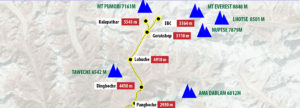
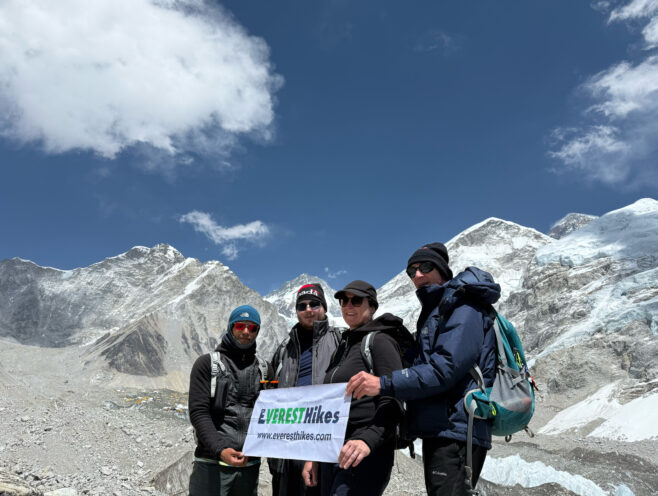
This is the most popular trekking route in Nepal, chosen by roughly 80% of Everest trekkers. The journey follows well-established trails through Sherpa villages, rhododendron forests, and high-altitude landscapes, culminating at Everest Base Camp (5,364m) and the stunning viewpoint of Kala Patthar (5,545m).
Trek Highlights
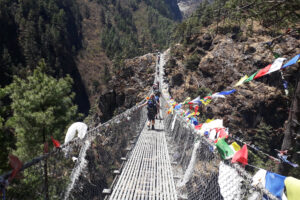
- Cross dramatic suspension bridges over the Dudh Koshi River
- Explore Namche Bazaar, the vibrant Sherpa trading hub at 3,440m
- Visit Tengboche Monastery, one of the most important Buddhist monasteries in the Khumbu
- Stand at Everest Base Camp and witness mountaineering expeditions
- Sunrise views from Kala Patthar—the finest panorama of Mount Everest
Acclimatization & Safety Tips
- Rest days are essential. Take acclimatization breaks at Namche Bazaar (3,440m) and ideally at Dingboche (4,360m)
- Drink 3-4 liters of water daily to prevent altitude sickness
- Follow the golden rule: “Climb high, sleep low”
- Recognize symptoms of Acute Mountain Sickness (AMS): headache, nausea, dizziness, loss of appetite
- Don’t rush—walking slowly helps your body adjust to thinner air
2. Jiri to Everest Base Camp Trek (17 Days)
Difficulty: Moderate to Challenging | Maximum Altitude: 5,545m
This is the original route to Everest, famously traveled by Sir Edmund Hillary and Tenzing Norgay Sherpa in 1953. Though fewer trekkers choose this longer approach today, it offers unparalleled cultural immersion and diverse landscapes—from subtropical forests and terraced farmlands to high-altitude alpine zones.
Why Choose the Jiri Route?
- Experience authentic rural Nepal away from busy tourist trails
- Gradual altitude gain reduces risk of altitude sickness
- Rich cultural encounters with Sherpa, Rai, and Tamang communities
- Lower elevations mean warmer temperatures in spring and autumn
- A sense of following in the footsteps of mountaineering history
Trek Highlights
- Walk through beautifully terraced farmlands in the mid-hills
- Visit traditional Sherpa villages: Junbesi, Nunthala, and Bupsa
- Explore the rarely visited lower Khumbu region
- Four of the world’s tallest mountains visible: Everest, Lhotse, Cho Oyu, Makalu
- Summit Kala Patthar for breathtaking Everest views
Detailed Itinerary
Note: The Jiri and Lukla routes converge at Phakding, then follow identical paths to Everest Base Camp and back.
Advanced Everest Region Treks
3. Everest Base Camp via Gokyo Lakes Trek (14 Days)
Difficulty: Moderate to Challenging | Maximum Altitude: 5,545m
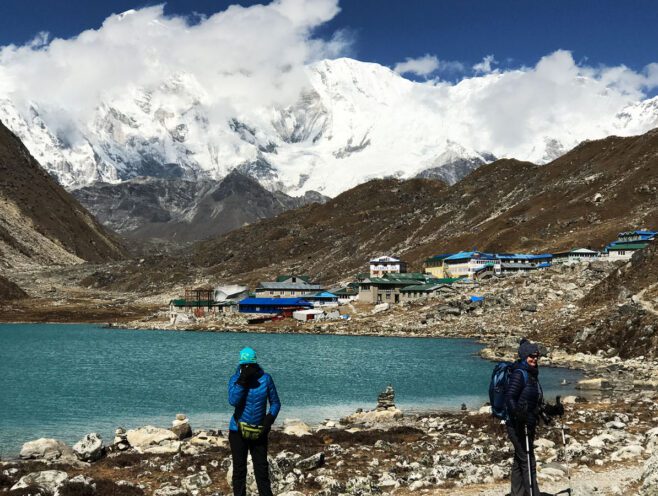
This stunning variation combines the turquoise Gokyo Lakes, the panoramic Gokyo Ri viewpoint, and the challenging Cho La Pass before reaching Everest Base Camp. It’s ideal for trekkers seeking diverse landscapes and fewer crowds.
Trek Highlights
- Marvel at five sacred glacial lakes in the Gokyo Valley
- Climb Gokyo Ri (5,357m) for spectacular views of Cho Oyu, Lhotse, Makalu, and Everest
- Walk alongside Ngozumpa Glacier—the longest glacier in the Nepal Himalayas
- Cross Cho La Pass (5,420m), one of three famous high passes in the region
- Reach both Everest Base Camp and Kala Patthar
Important Note: Cho La Pass can be snow-covered and technically challenging. Hire an experienced guide and check conditions before attempting.
4. Everest Three Passes Trek (17 Days)
Difficulty: Challenging | Maximum Altitude: 5,545m
Considered the ultimate Everest circuit, this demanding trek crosses three high mountain passes: Renjo La (5,338m), Cho La (5,420m), and Kongma La (5,540m). This route is perfect preparation for future mountaineering expeditions and offers the most comprehensive Everest experience.
Trek Highlights
- Cross three of the highest trekking passes in the Himalayas
- Complete the full Everest circuit, visiting Gokyo, EBC, and Chhukung
- Enjoy 360-degree mountain panoramas from multiple high points
- Challenge yourself physically and mentally in thin air above 5,000m
- Experience remote valleys and lesser-traveled trails
Physical Requirements: Excellent fitness, previous high-altitude trekking experience, and proper acclimatization are essential. This trek is not recommended for beginners.
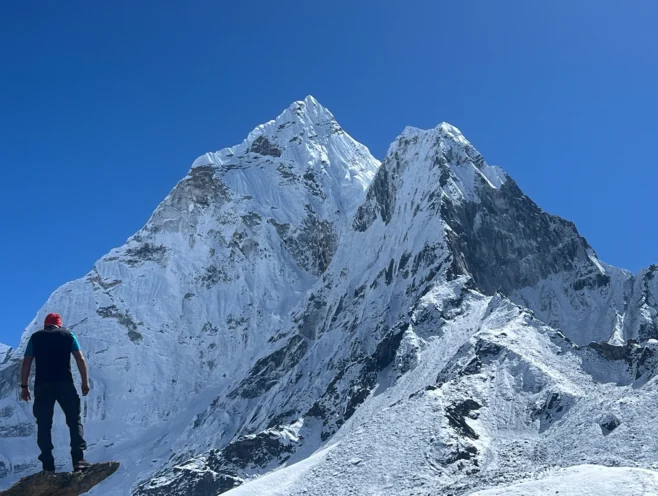
5. Everest Panorama Trek (5 Days)
Difficulty: Easy to Moderate | Maximum Altitude: 3,870m
Perfect for travelers with limited time or those who cannot trek above 4,000m, the Everest Panorama Trek still delivers magnificent mountain views and cultural experiences. This shorter route reaches Tengboche Monastery while avoiding the challenges of extreme altitude.
Trek Highlights
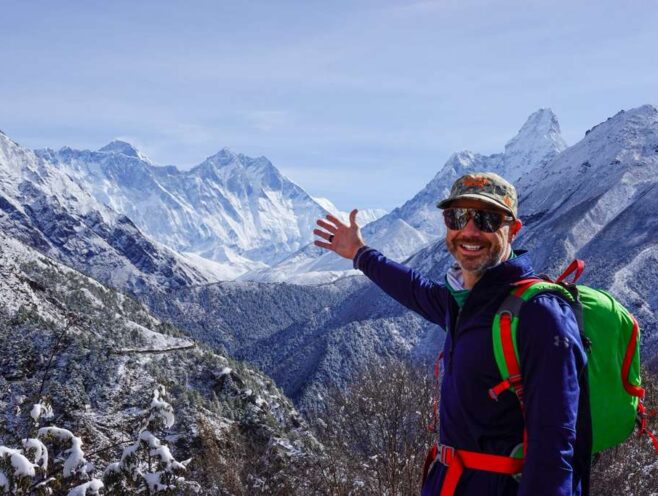
- Enjoy views of Mount Everest, Ama Dablam, Lhotse, and Thamserku
- Visit the historic Tengboche Monastery with its colorful murals and prayer flags
- Experience Sherpa hospitality and culture in Namche Bazaar
- Sip tea at the famous Everest View Hotel (3,880m)
- Ideal for families, older trekkers, or first-time Himalayan visitors
Essential Trekking Tips for the Everest Region
Best Time to Trek
Spring (March-May): Clear skies, blooming rhododendrons, moderate temperatures. Peak season with more trekkers on trails.
Autumn (September-November): Excellent visibility, stable weather, comfortable temperatures. The most popular trekking season.
Winter (December-February): Fewer crowds, crystal-clear views, but very cold at higher altitudes. Some teahouses may be closed.
Monsoon (June-August): Heavy rainfall, leeches, clouds obscuring views. Not recommended unless experienced.
Permits Required
- Sagarmatha National Park Entry Permit: NPR 3,000 (approx. USD 23)
- Khumbu Pasang Lhamu Rural Municipality Permit: NPR 2,000 (approx. USD 15)
Permits can be obtained in Kathmandu or at entry checkpoints in Monjo and Lukla.
What to Pack
Clothing:
- Moisture-wicking base layers
- Insulated down jacket
- Waterproof and windproof outer layers
- Warm gloves, hat, and thermal socks
- Comfortable hiking boots (broken in before the trek)
Gear:
- Quality sleeping bag rated to -15°C
- Trekking poles for stability
- Headlamp with extra batteries
- Water purification tablets or filter
- High-SPF sunscreen and sunglasses
Medications:
- Diamox for altitude sickness prevention
- Basic first-aid kit
- Personal prescription medicines
Altitude Sickness Prevention
Acute Mountain Sickness (AMS) is the most serious risk in the Everest region. Prevention strategies include:
- Ascend gradually—don’t rush
- Stay hydrated (3-4 liters per day)
- Avoid alcohol and smoking
- Eat carbohydrate-rich foods
- Take rest days for acclimatization
- Consider taking Diamox (consult your doctor first)
- Descend immediately if severe symptoms develop
Warning signs of serious altitude illness: Severe headache, confusion, loss of coordination, shortness of breath at rest, coughing up frothy fluid.
Food & Accommodation
Teahouses along the Everest trail provide basic but comfortable lodging with twin beds, blankets, and communal dining areas. Expect to pay $5-15 USD per night. Most teahouses offer:
- Traditional Nepali dishes (dal bhat, momos, thukpa)
- Western options (pasta, pizza, pancakes)
- Hot drinks (tea, coffee, hot chocolate)
Tip: Dal bhat (rice, lentils, vegetables, and curry) is the most nutritious and economical choice. Most teahouses offer unlimited refills.
Hiring Guides and Porters
While independent trekking is possible on popular routes like Lukla to EBC, hiring local guides and porters supports the Sherpa economy and enhances your experience with cultural insights and safety.
Average costs:
- Licensed guide: $25-35 USD per day
- Porter: $20-25 USD per day
Choose reputable trekking agencies that provide fair wages, insurance, and proper equipment for their staff.
Planning Your Everest Trek: Final Thoughts
The Everest region offers trekking experiences for every ability level—from the shorter Panorama Trek to the challenging Three Passes circuit. No matter which route you choose, you’ll walk through some of the most spectacular mountain landscapes on Earth, experience warm Sherpa hospitality, and create memories that last a lifetime.
Remember: success in the Himalayas isn’t measured by speed, but by safety, enjoyment, and respect for the mountain environment and local culture. Take your time, acclimatize properly, and embrace the journey as much as the destination.
Ready to start planning your Everest adventure? Consider booking with a reputable Nepal-based trekking company with experienced Sherpa guides, comprehensive safety protocols, and sustainable tourism practices. The mountains will be waiting for you.